
 Français
 English


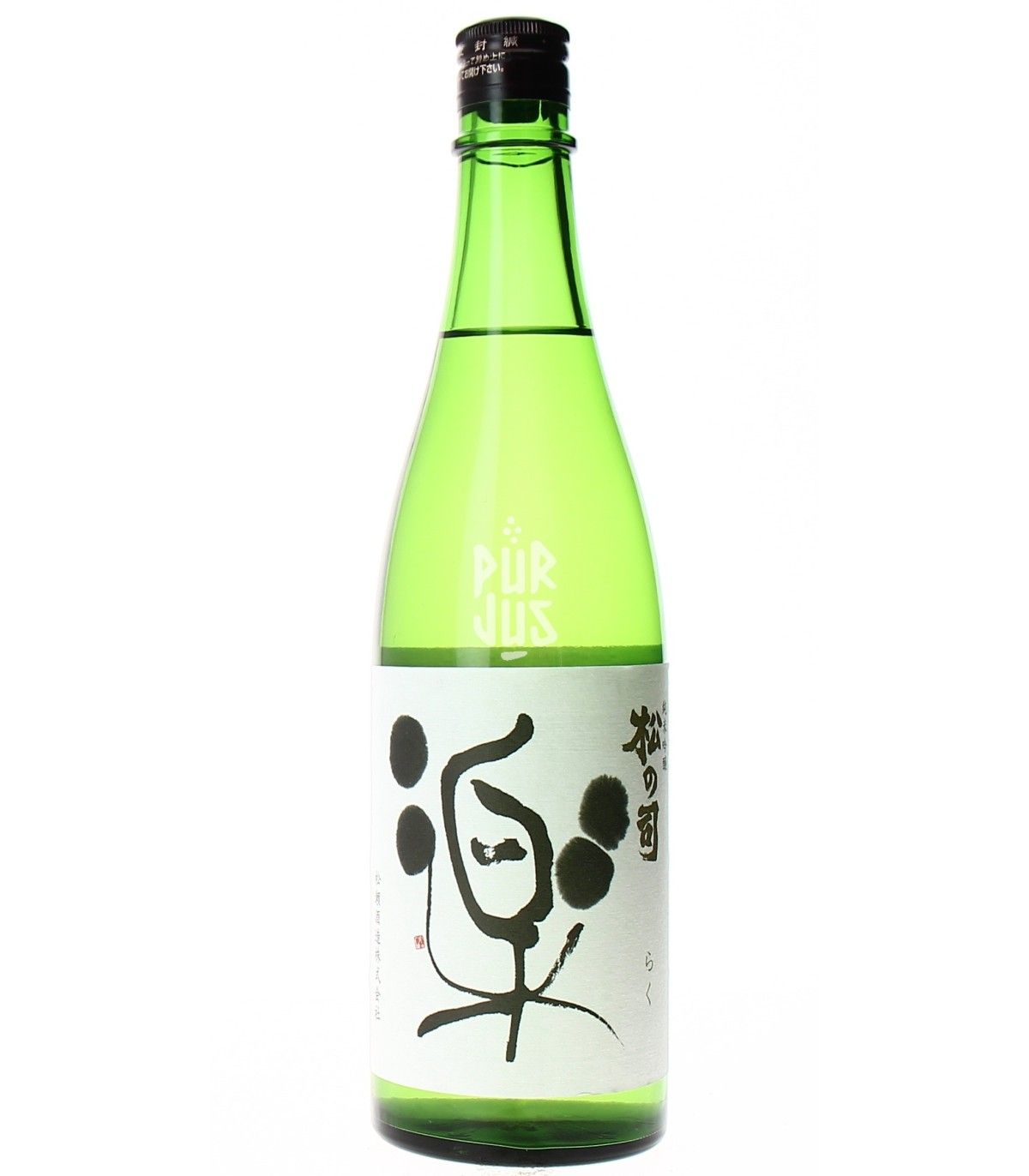
Junmai Ginjo Raku - 2021 - Sake Matsunotsukasa
A few words from the brewery : "It combines delicate floral ginjo aromas and mild, understated flavour. It can be enjoyed at any temperature from chilled to hot and its gentle, expansive mouthfeel makes it ideal for serving with food. Its light, uncomplicated style makes it easy to enjoy at any time, a relaxed and casual pleasure." In Japanese, raku (楽) generally means pleasure, comfort, joy, and relaxation… a beautiful promise in a glass!
- Size
- 72 cl
- Bottled by
- Matsuse Sake Brewery Co. Ltd.
- Degree of alcohol
- 15 %
The rice used here is polished to 60%, leaving only the heart of the grain for fermentation, which concentrates the aromas while preserving purity and elegance. It comes directly from smallholder and partner rice fields, farmed either sustainably or organically, located in Ryuou, the village of the brewery. What makes this sake special is that it is produced from two rice varieties: the classic Yamada Nishiki and the rarer Ginfubuki.
The water used for brewing this sake is drawn from 120 meters deep, sourced from the Echigawa River, which begins in the Suzuka mountain range.
This sake is a junmai ginjo, meaning it is a junmai (pure sake, with no added alcohol) but fermented longer and at lower temperatures to reveal finer, more delicate aromas.
The steamed rice is mixed with koji, a filamentous fungus essential for converting the starch in the rice into fermentable sugars. Koji is also used in many traditional Japanese foods, including miso, mirin, and soy sauce.
Fermentation is then initiated with the addition of selected yeast, at a carefully controlled temperature. Finally, the rice ferments for 18 to 32 days, during which the sake takes shape as the liquid separates from the rice. The batch is then pressed manually through very large cloth bags. The sake is filtered and aged for nearly a year before bottling in August 2022, with a slight addition of water to reach a final alcohol level of 15%.
The Matsunotsukasa sakes sold on the Cave Pur Jus website are produced in Japan and imported into France by SARL Le Clos du Tue-Bœuf.